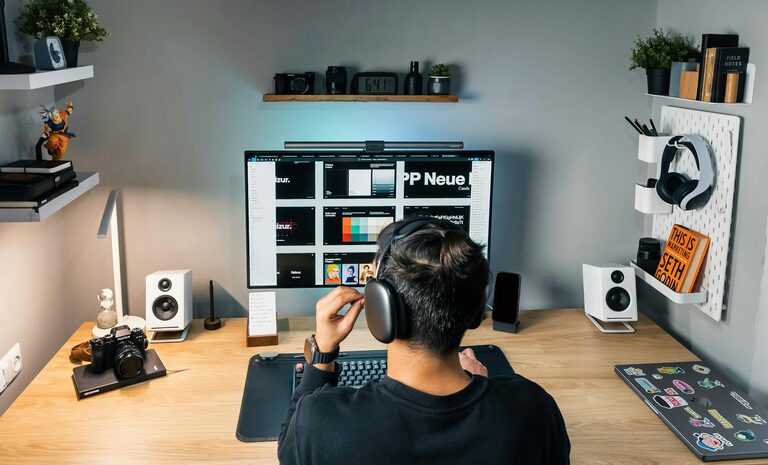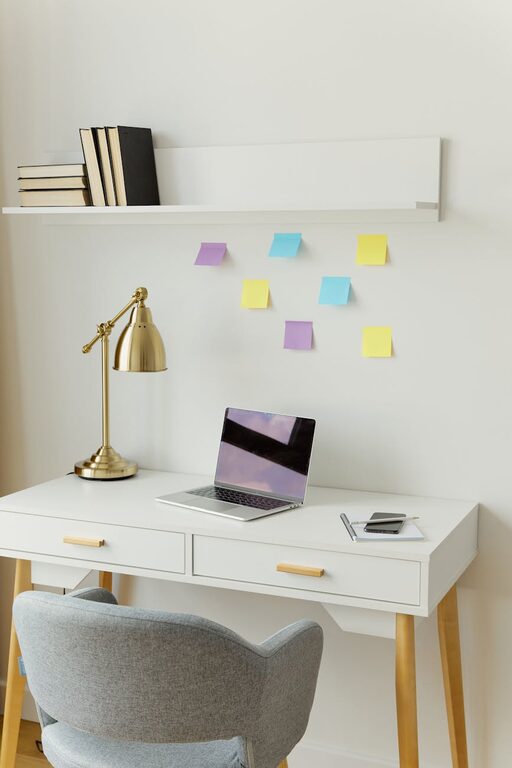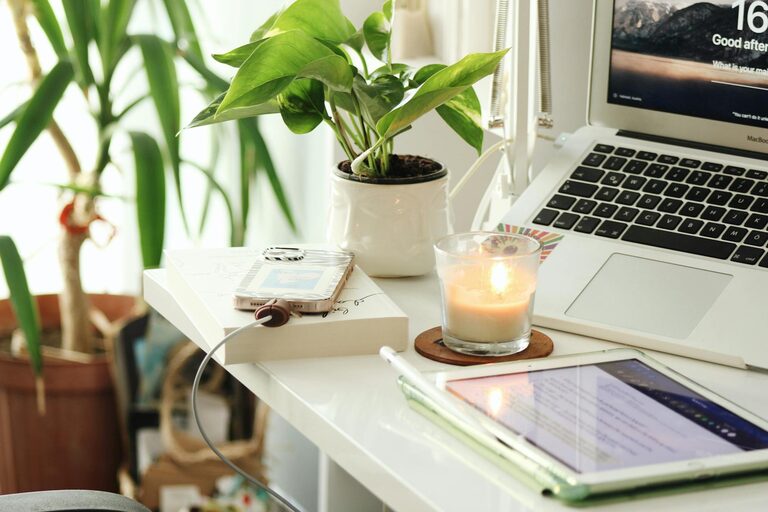
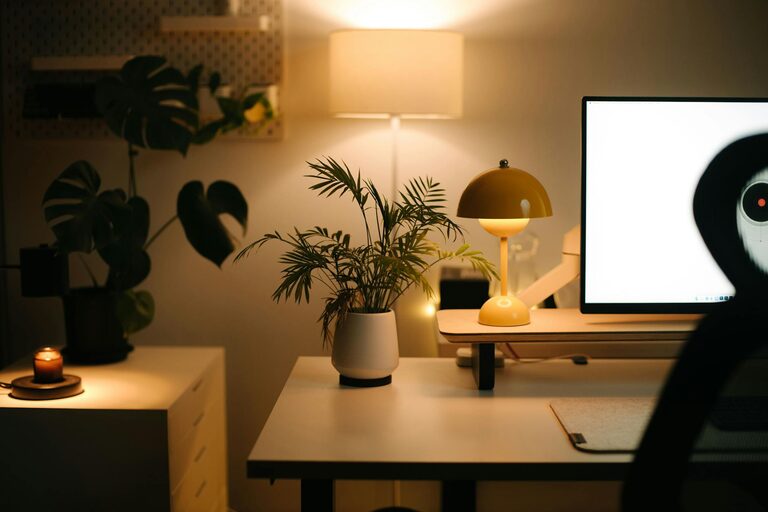
Working from home has become a normal part of many people’s lives. Creating a space that is both relaxing and productive can help you stay focused and motivated. Whether you have a dedicated room or just a small corner, your environment plays a key role in how efficiently and comfortably you work. Here are some practical tips to design a home office that balances calm with motivation.
Choose a Suitable Location
Start by selecting a spot in your home that suits your work needs. Ideally, this should be a quiet area away from distractions.
– Natural light: Wherever possible, pick a space with plenty of natural light. Sunlight can improve mood and reduce eye strain.
– Privacy: If you need to take calls or concentrate deeply, pick a zone with minimal foot traffic.
– Space needs: Make sure there is enough room for your desk, chair, and any other equipment you need.
Invest in Comfortable Furniture
Comfort is essential when you spend hours working at your desk.
– Ergonomic chair: Choose a chair that supports your posture with adjustable height and back support.
– Desk height: Your desk should allow you to keep your arms at a comfortable angle, usually about 90 degrees at the elbow.
– Standing options: Consider a sit-stand desk if you want to alternate between sitting and standing throughout the day.
Organise with Purpose
A cluttered workspace can impact your focus and increase stress.
– Declutter regularly: Remove items that aren’t essential to your daily tasks.
– Storage solutions: Use shelves, filing cabinets, or boxes to organise papers and supplies.
– Desk management: Keep your desk surface tidy, with only what you use daily within arm’s reach.
Use Calming Colours and Decorations
The colours and decor of your office affect your mood and creativity.
– Colour choice: Soft blues, greens, or neutral colours promote calm and concentration.
– Personal touches: Add plants or artwork that bring you joy without being distracting.
– Lighting: Use warm, adjustable lighting to avoid harsh glare.
Manage Technology Efficiently
Technology is crucial but can also be a source of frustration if not organised well.
– Cable management: Use clips or covers to keep wires neat and out of the way.
– Device location: Place monitors at eye level to reduce neck strain.
– Tools and apps: Use productivity apps to manage your tasks and time effectively.
Incorporate Break and Relaxation Zones
Your home office should encourage short breaks to recharge.
– Stretching space: Ensure there is room to stand and stretch away from your desk.
– Comfortable seating: If space allows, include a small chair or bean bag for relaxing during breaks.
– Mindfulness aids: Consider adding items like a diffuser with calming scents or a small water feature.
Establish Clear Boundaries
Separating work from personal life is essential when working from home.
– Set work hours: Define specific start and finish times to your workday.
– Signage or signals: Use a sign or light to indicate when you shouldn’t be disturbed.
– End-of-day routine: Create habits to signal the end of work, such as closing your laptop or tidying your space.
Maintain Good Air Quality and Temperature
Being comfortable physically supports both relaxation and productivity.
– Ventilation: Open windows regularly or use an air purifier to keep air fresh.
– Temperature control: Keep the office at a comfortable temperature, neither too hot nor too cold.
– Humidity: Use a humidifier if the air feels dry, especially in winter.
Personalise Your Workspace Mindfully
Adding personality can increase engagement but avoid overcrowding your office.
– Inspirational quotes: Display motivational phrases that resonate with you.
– Organised bulletin board: Pin important reminders or creative ideas on a corkboard.
– Digital backgrounds: Use calming or nature-inspired images as your computer screensaver or wallpaper.
Regularly Evaluate and Adapt Your Setup
Your needs and preferences may change over time.
– Check your posture and comfort: Adjust furniture or equipment as needed.
– Seek feedback: If sharing space with family or housemates, discuss what works best.
– Try new arrangements: Experiment with different layouts and decor styles periodically.
—
Creating a home office environment that feels both relaxing and productive takes some planning, but the benefits are well worth it. Finding the right balance will help you focus on your work without feeling overwhelmed, and you’ll look forward to spending time in your space. With these tips, you can design a workspace that supports your wellbeing and professional goals.
About the Author